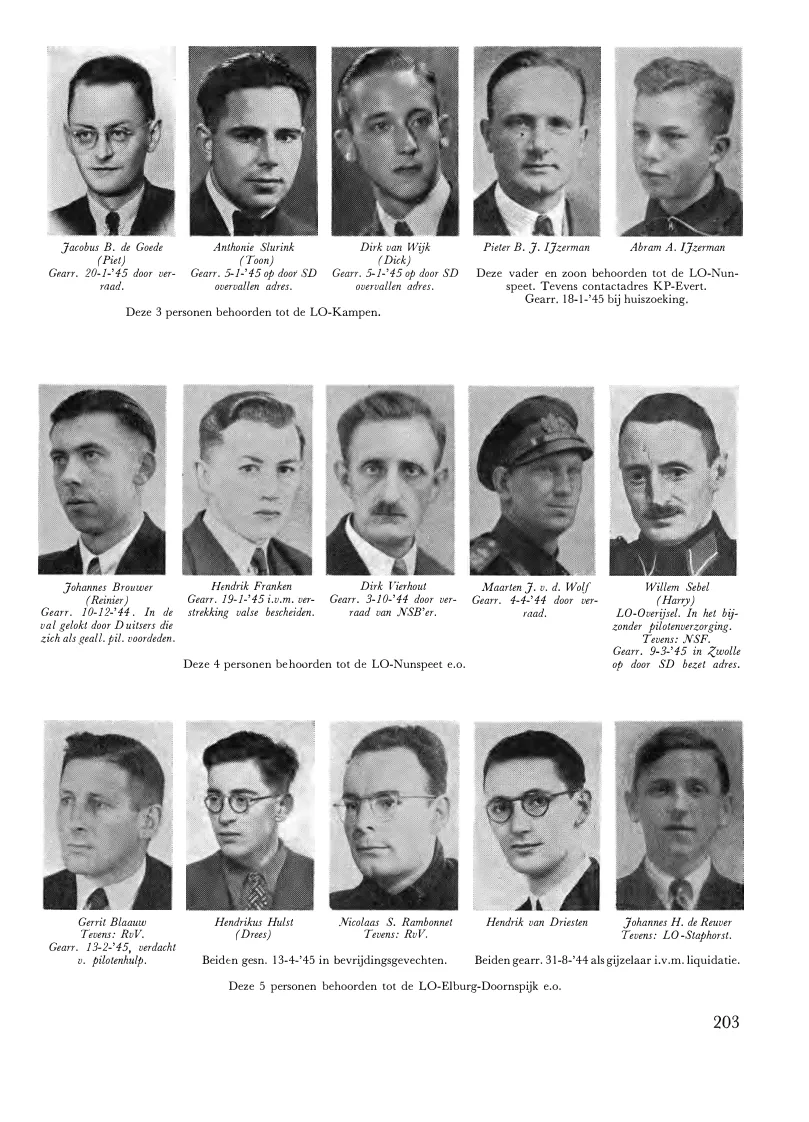
Gerrit Blaauw was a husband, father of five and member of the Dutch resistance. In the final months of the Second World War, the rescue of an Allied airman brought danger to his family. Gerrit was arrested and later executed at Woeste Hoeve.
Discover his storyView historical collection
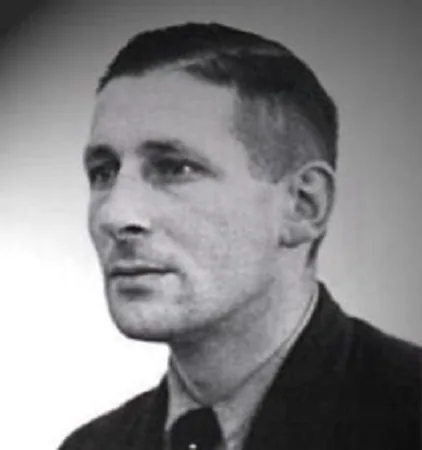
Portrait identified by the Municipality of Elburg. Photographer and date unknown.
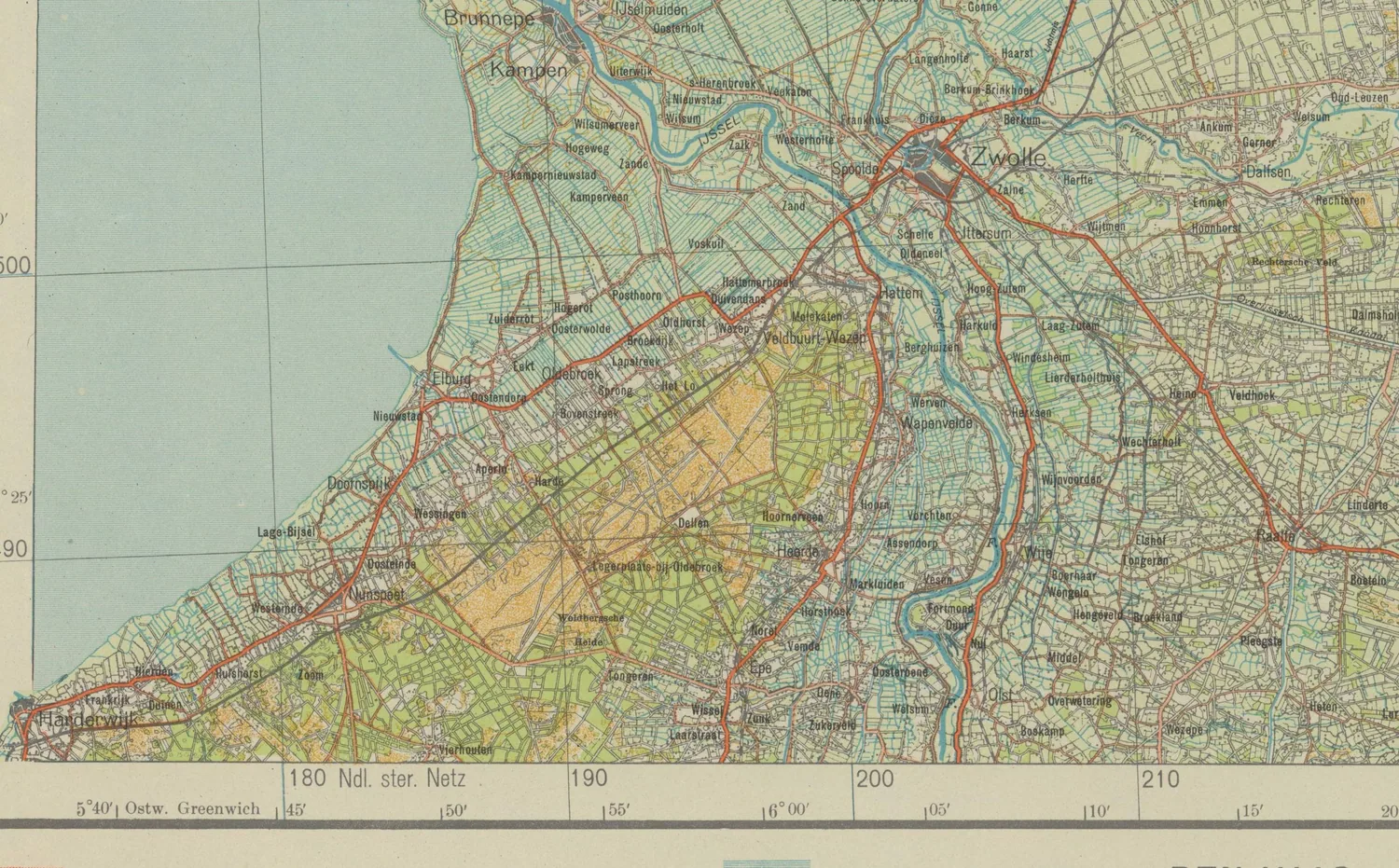
In February 1945, an RAF Spitfire came down near the Winterdijk in the North Veluwe. Local residents helped its pilot escape German capture. Among those caught up in the events was fourteen-year-old Henk Blaauw. When Henk was detained, his father Gerrit also fell into German hands.
Gerrit was already active in the resistance. He did not live to see the Netherlands liberated. His story survives in wartime records, newspaper reports, family memories and the work of local historians.
Gerrit Blaauw was born on 6 May 1907 in Oldebroek, the son of Hendrik Blaauw and Hendrikje Flier. He married Jannetje Fikse on 7 March 1929.
They raised five children: Hendrik (Henk), Dirkje, Batje, Gerritje and Johan. Gerrit worked as a driver or bus operator before taking a position in the distribution service at Elburg. The family lived in the Doornspijk–Oosterwolde area.
His death would leave Jannetje to raise their five children alone.

Under German occupation, ration cards and identity papers were essential to anyone living in hiding. Gerrit’s work at the Elburg distribution office placed him close to those supplies. Local accounts describe him helping people in hiding, carrying messages and undertaking other resistance activities.
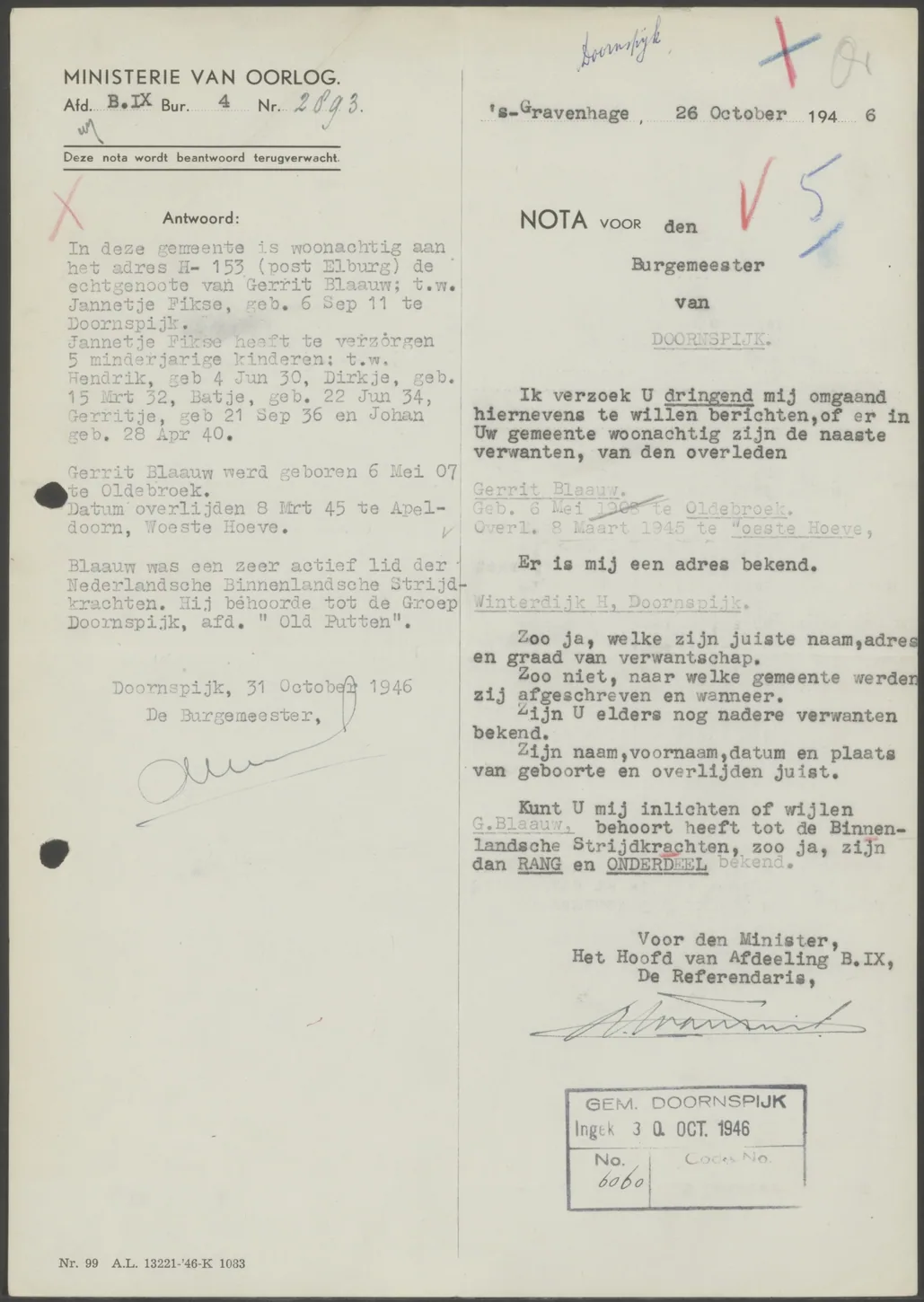
A signed statement from the mayor of Doornspijk, dated 31 October 1946, described Gerrit as a “very active” member of the Netherlands Interior Forces (NBS), Doornspijk group, “Old Putten” section. A postwar history of the LO resistance network also connects him to the Raad van Verzet (RvV).
His participation in the resistance is well supported; the details of every individual operation are not fully documented.

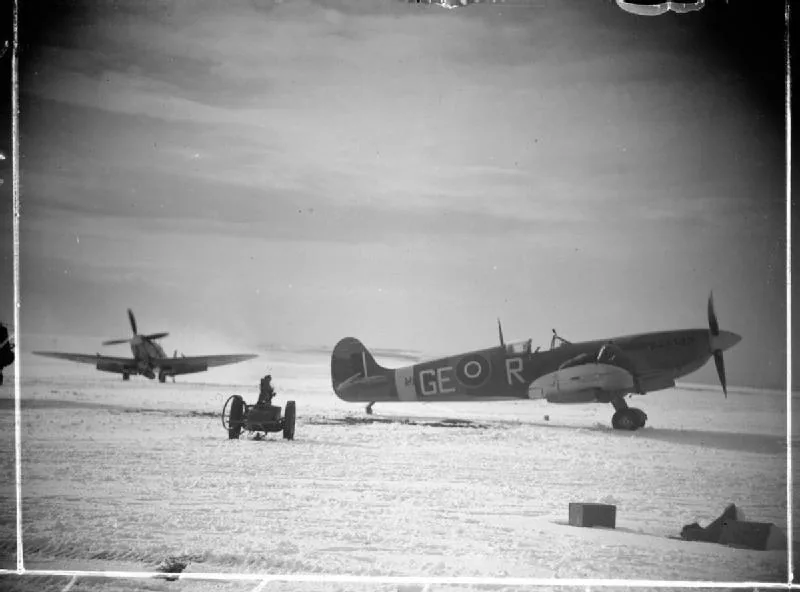
On 6 February 1945, Spitfire TA837 of No. 349 (Belgian) Squadron RAF made a forced landing near Oosterwolde after encountering anti-aircraft fire.
The pilot was David Blair. His RAF commission notice links his enlisted number 1514313 with officer number 190913. Some later Dutch accounts call him “Dick Blair,” a name variation retained in the historical record.
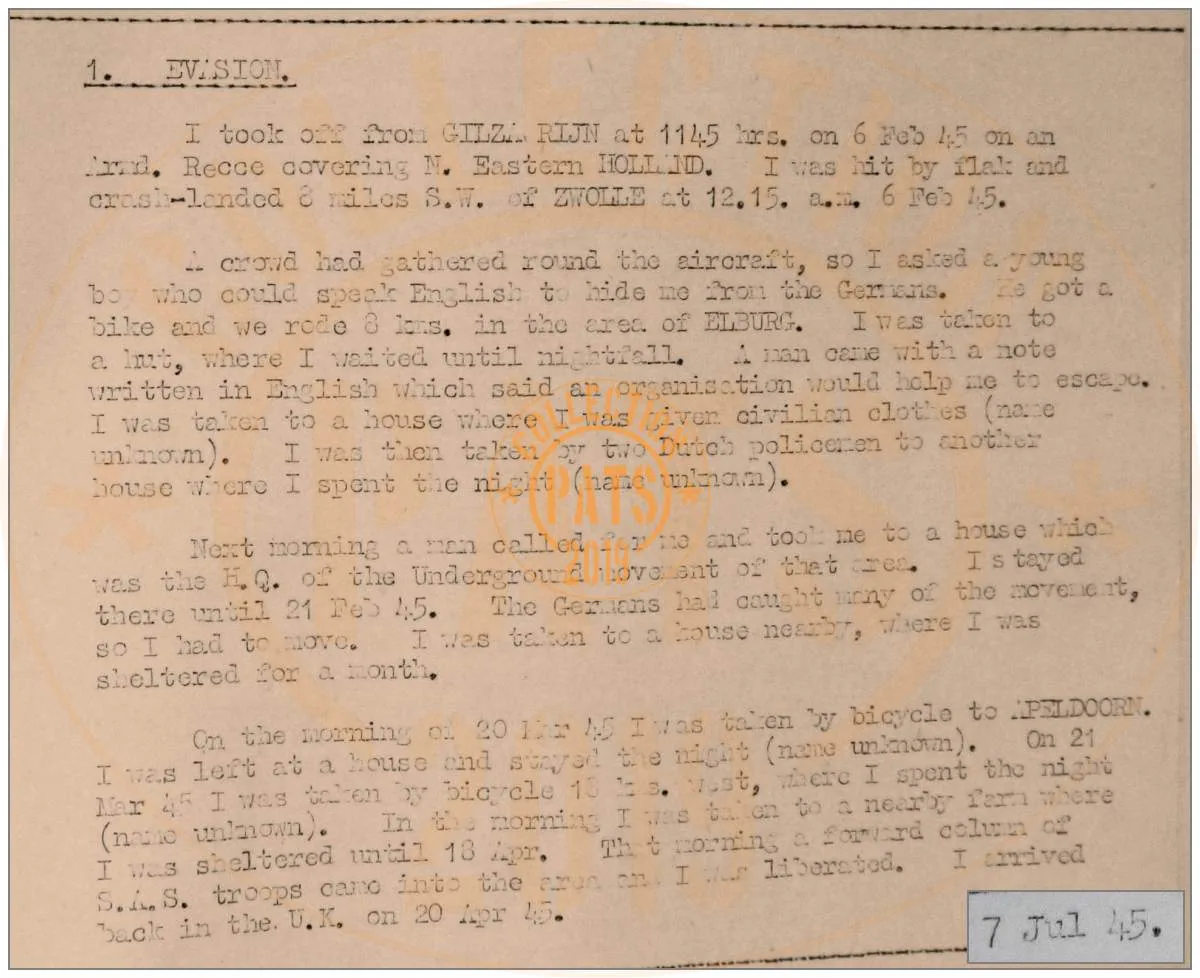
Local people helped Blair evade capture. An account attributed to him describes an English-speaking boy, a bicycle, shelter and assistance from Dutch policemen. The account does not itself name the boy; later local histories connect Henk Blaauw with the aircraft and its equipment.

A detailed retrospective in the Elburger Courant of 27 February 1970 describes the aircraft landing near Huize Morren and Henk helping the pilot reach a work hut near Waaskolk. It names Aalberta van Hattem in connection with a bicycle and police officers Van Heerde and Oolbekkink among the helpers.
These details are valuable local testimony recorded years after the war. The first-person evasion account and the later newspaper story do not agree on every date or location, so their differences remain part of the research.
Blair ultimately reached Allied forces in April 1945 and returned to Britain.

Henk, then fourteen, came under suspicion because of objects associated with the aircraft, including a parachute and rubber dinghy. Accounts differ about the precise circumstances of his arrest.
Local histories say Gerrit approached the German authorities hoping to secure his son’s release and was arrested himself. A postwar LO record dates Gerrit’s arrest to 13 February 1945, on suspicion of helping Allied pilots.
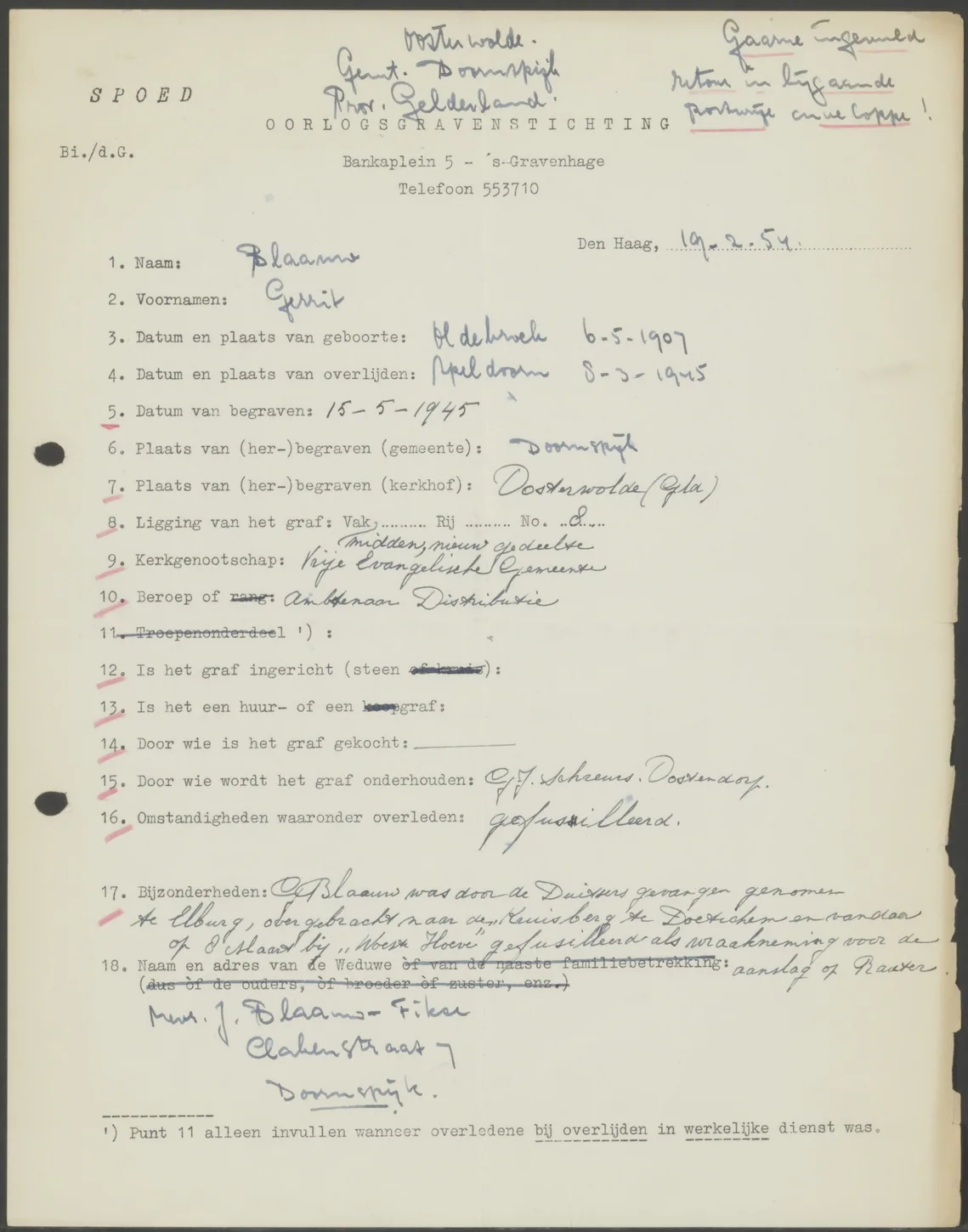
Later accounts place him first at the Koning Willem III barracks in Apeldoorn and then at De Kruisberg prison in Doetinchem. A 1954 official questionnaire confirms his imprisonment at De Kruisberg, although his exact cell and transfer dates remain unknown.

During the night of 6–7 March 1945, a resistance attack near Woeste Hoeve unexpectedly struck the vehicle carrying senior Nazi official Hanns Albin Rauter. Rauter survived with serious injuries.
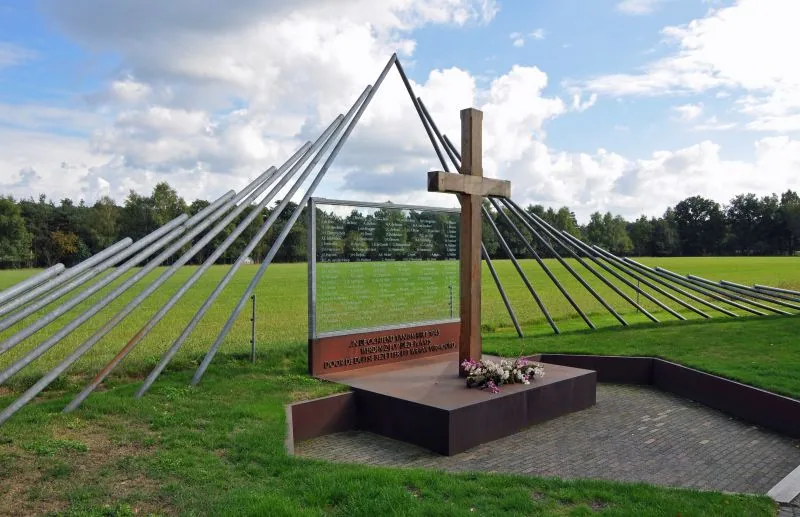
German occupation authorities retaliated with mass executions on 8 March 1945. Memorial research records 117 people executed at Woeste Hoeve, among 274 executed at several locations. Gerrit Blaauw, already imprisoned for weeks, was one of the men killed there.
His civil death registration records his death at 9 a.m. He was thirty-seven years old. There is no evidence in the reviewed research that Gerrit took part in the attack on Rauter.

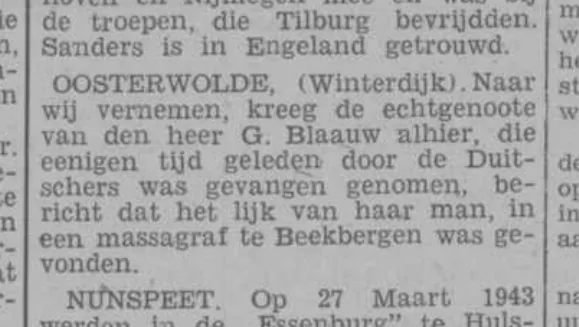
For weeks, Gerrit’s family did not know his fate. The Elburger Courant of 15 May 1945 reported that Jannetje had been told her husband’s body had been found in a mass grave in the Beekbergen area.
His body had been exhumed from Heidehof and he was reburied in Oosterwolde on 15 May 1945. The funeral report published on 18 May describes scripture readings, including Romans 8:28–39 and 2 Timothy 4:6–8, and tributes from the community.
Historian Willem van Norel has reported that resistance worker Gerrit Kanis identified Gerrit’s body. The original identification documentation remains an open research question.

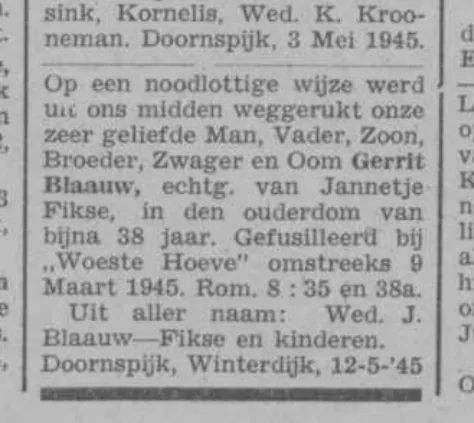
Family notices, grave records and correspondence document the years after Gerrit’s death. His wife Jannetje and their children carried the memory forward, while historians and researchers worked to identify the people and events involved.
One striking later connection emerged in 2026: historian Willem van Norel located a reference to an 8 May 1971 Elburger Courant article reporting that Blair’s wife visited resistance helper Hendrik Boeve in 1971 and heard further stories about her husband.
The original newspaper article has not yet been fully examined for this website, so the visitor’s name and the exact stories are not presented as established facts.


Trace the key dates, from Gerrit’s childhood to the events of 1945 and the later research discoveries.
View timeline →
Photographs, original records, newspaper clippings, maps and memorials, with descriptions and provenance.
View collection →
Learn which details are verified, where sources differ, and which archival questions remain open.
Sources and questions →